
Discipline
Buying well in one city, and holding it properly.
GrayRock underwrites Toronto real estate on what it earns today, improves what can be improved, and holds through the cycle rather than trading around it.
The mandate
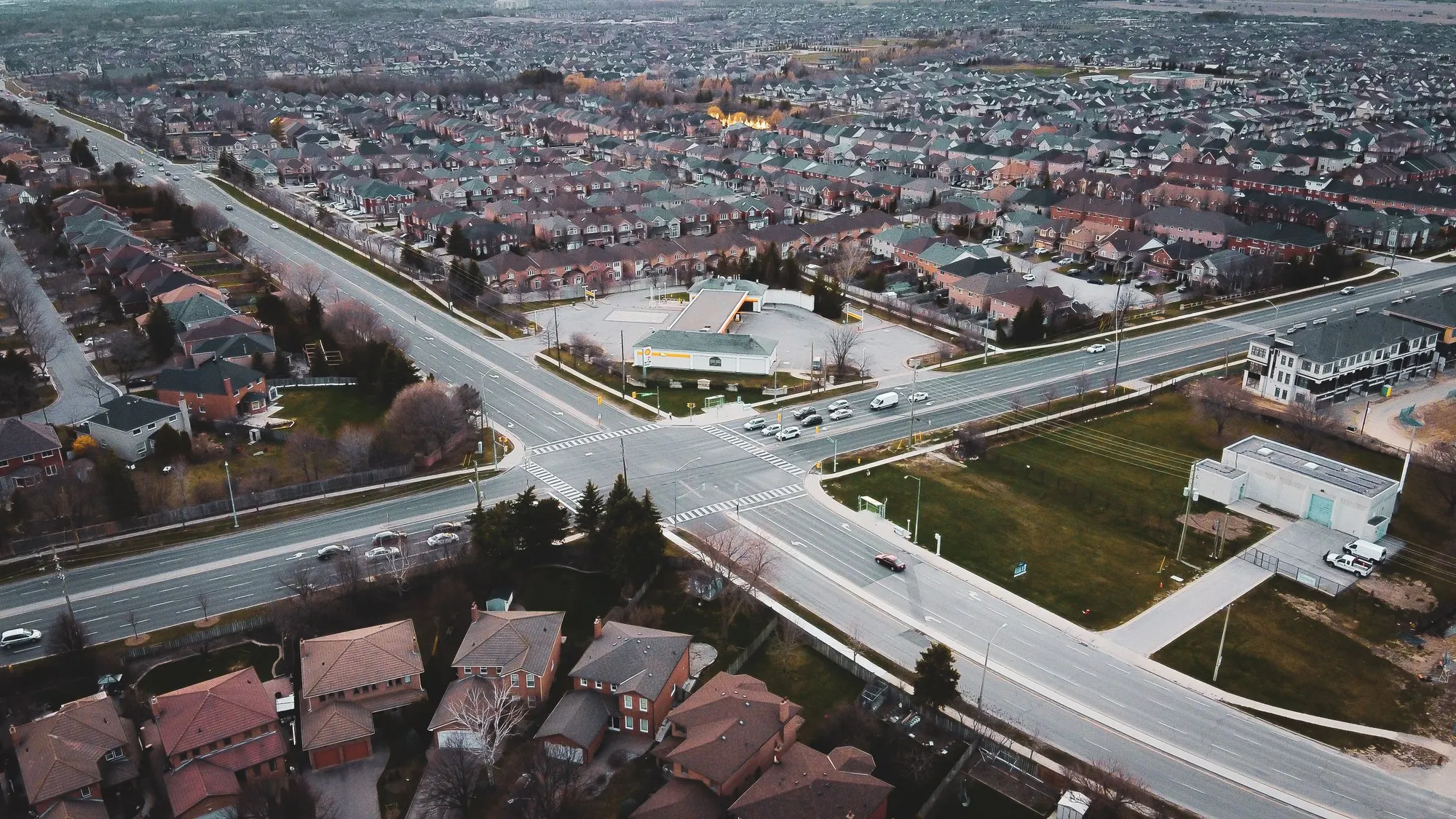
Toronto and the Greater Toronto Area, Ontario, Canada
What we are looking for, stated plainly.
-
Assets a city keeps needing.
Housing, the space that stores and moves goods, and the ground floors people actually use. Demand for those is structural in a growing city, which is a different thing from a forecast.
-
Problems we can fix with work.
Deferred maintenance, a bad rent roll, an owner who has run out of patience, a vacancy nobody has bothered to lease. Those are jobs. A broken location is not a job.
-
A hold measured in years.
The firm is set up to own, not to flip. That changes what is worth paying: a building bought to keep is underwritten on twenty years of operating cost, not on an exit multiple.
Principles
Five principles, applied to every acquisition.
-
We invest where we can stand on the sidewalk.
Toronto and the GTA only. Proximity is not sentiment, it is diligence: we can see the asset, the street and the neighbours the same week a question comes up.
-
We underwrite the downside first.
Every model starts with the bad year, higher vacancy, slower lease-up, a rate that resets against us. If it works there, the base case takes care of itself.
-
We buy operations, not narratives.
Rent rolls, arrears, capital plans, utility bills and service contracts. What a building actually costs to run is knowable, and it decides the return more often than the purchase price does.
-
We use debt as a tool, not as the thesis.
Leverage is sized so a refinancing is a scheduled event rather than an emergency, and so no single loan maturity can force a sale.
-
We stay small enough to decide quickly.
A principal reads every enquiry and the same people who underwrite an asset own the outcome. There is no committee to route a deal through and no mandate to fill by a deadline.
Nothing here depends on a market view. It depends on buying an asset that pays for itself, in a city that keeps needing it, at a price that leaves room for the year that goes badly.
Criteria
What an asset has to clear.
- Market
- Toronto and the Greater Toronto Area
- Asset classes
- Multi-residential, industrial and logistics, commercial and mixed-use, development land
- Position
- Direct ownership, joint venture or partial interest
- Condition
- Stabilised, value-add, or under-managed. Not distressed for its own sake
- Hold period
- Long. The firm is structured to own rather than to trade
Common questions
Questions we are asked before a first meeting.
What does GrayRock Capital invest in?
GrayRock Capital invests in Canadian real estate: multi-residential rental buildings, industrial and logistics space, commercial and mixed-use property, and development land. Every asset is in Toronto or the Greater Toronto Area.
Where does GrayRock Capital invest?
Toronto and the Greater Toronto Area, in Ontario, Canada. The firm invests in one market on purpose, so that every asset is close enough to inspect in person.
How long has GrayRock Capital been investing?
Since 2012.
Is GrayRock Capital a broker or a property manager?
Neither. GrayRock is a principal investor. The firm buys and owns real estate for its own account and does not act as an agent in transactions.
Does GrayRock Capital develop property?
The firm acquires development land where there is a defensible planning path, and it improves buildings it owns. It is an investor first rather than a merchant builder.
How do I bring GrayRock a property or a partnership?
Write to the firm through the contact page. Owners, brokers and intermediaries are read by the same people who make the investment decisions.